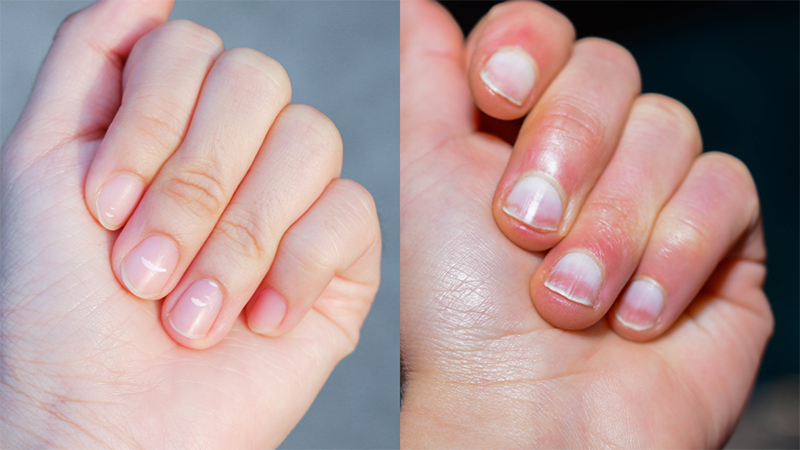
I remember the first time I noticed a small white spot on my thumbnail. I immediately assumed I had a calcium deficiency. I started drinking more milk and taking supplements. The spot grew out and disappeared within a few weeks, and I never found out what caused it.
White spots, streaks, or patches on the nails are common, and they are usually harmless. But they can also be a sign of an underlying issue. Understanding the different types of white nail changes can help you determine whether you need treatment—or just patience.
Here is everything I have learned about white nails: what causes them, how to tell the difference between harmless spots and more serious conditions, and when to seek professional advice.
Why Do Nails Turn White?
The nail plate is normally translucent, allowing the pink colour of the nail bed to show through. When the nail appears white, it is usually because the nail plate has become opaque or because the nail bed is affected.
Types of white nail changes:
Punctate leukonychia. Small, white spots scattered across the nail. This is the most common type and is usually caused by minor trauma to the nail matrix.
Longitudinal leukonychia. White streaks or lines running vertically along the nail. Less common and often associated with underlying conditions.
Transverse leukonychia. White lines running horizontally across the nail. These are often called Mees’ lines and can indicate systemic illness.
Total leukonychia. The entire nail turns white. This is rare and may indicate a genetic condition or underlying disease.
White Spots: The Most Common Cause
White spots on the nails—medically known as punctate leukonychia—are the most common type of white nail change. They are typically small, round, and scattered across the nail. They are almost always harmless.
The most common cause is minor trauma to the nail matrix—the area beneath the cuticle where new nail cells are produced. This trauma can be as simple as bumping your finger against a desk, closing a drawer on it, or aggressive filing. The injury happens weeks before the spot appears, which is why you may not remember the incident.
Other causes include allergic reactions to nail products, nutritional deficiencies (especially zinc or iron), and certain medications. However, the vast majority of white spots are due to minor trauma and do not require treatment.
How to Tell the Difference: White Spots vs. Fungal Infection vs. Complete Whitening
White spots (punctate leukonychia). Small, scattered spots. Smooth, uniform surface. Nail remains normal thickness. No other symptoms. Typically grows out with the nail. Caused by minor trauma or nutritional factors.
Fungal infection. White, chalky patches that may spread over the nail. Nail may thicken, crumble, or become discoloured. Often accompanied by yellowing. May have a foul odour. Does not grow out on its own. Requires antifungal treatment.
Complete whitening (total leukonychia). The entire nail turns white. Nail may be normal thickness or thickened. Associated with genetic conditions (rare) or systemic diseases (liver disease, kidney disease). Requires medical evaluation.
Nutritional deficiency. White spots or bands. Nail may be brittle or soft. Often accompanied by other symptoms—fatigue, hair loss, etc. Improves with dietary changes.
What to Do About White Nails?
For white spots. No treatment is needed. The spots will grow out as the nail grows—fingernails take 4-6 months, toenails take 6-12 months. You can cover them with polish if you wish.
If you suspect a fungal infection. See a healthcare professional. They can confirm the diagnosis and recommend antifungal treatments.
If you suspect a nutritional deficiency. Consult a healthcare provider. They can assess your diet and recommend supplements if needed.
If the entire nail is white. See a healthcare professional. This is rare and may indicate an underlying health condition.
How to Prevent White Nails?
Protect your nails from trauma. Wear gloves for household chores, yard work, and gardening. Be gentle with your cuticles during manicures.
Maintain a balanced diet. Include foods rich in zinc, iron, and protein. These are essential for healthy nail growth. Good sources include nuts, seeds, legumes, lean meats, and leafy greens.
Use a base coat. If you paint your nails, always use a base coat. This protects the nail plate from staining and helps prevent damage.
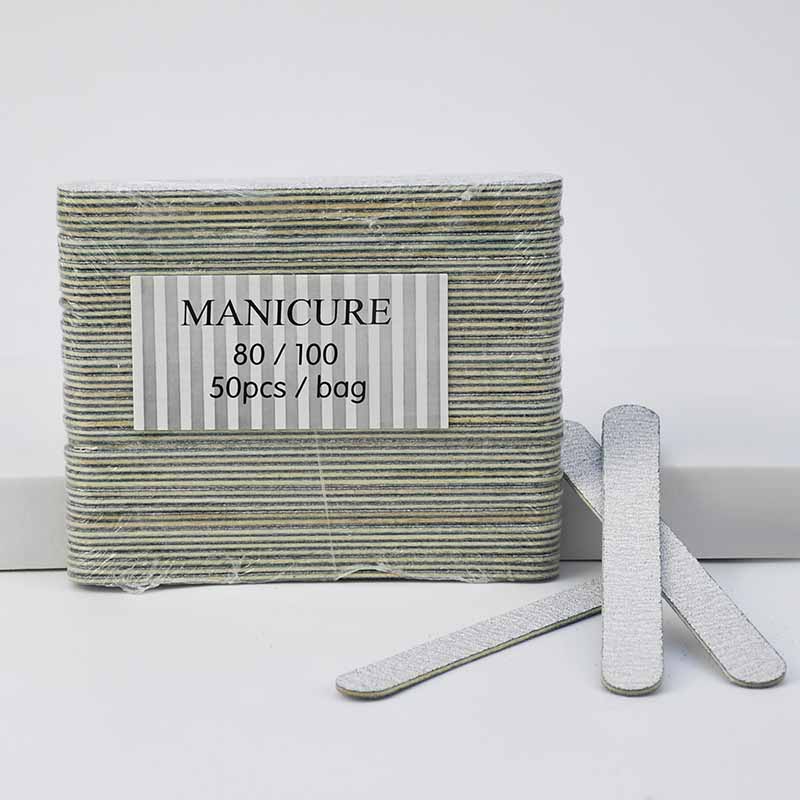
Avoid aggressive filing. File gently and in one direction. Over-aggressive filing can damage the nail matrix. When choosing a nail file, be sure to select one with a fine-grit.
Take breaks from polish. Give your nails a few days of bare, oiled rest every month.
Are White Nails Contagious?
White spots (punctate leukonychia) are not contagious. They are caused by trauma or internal factors, not by an infectious agent.
Fungal infections are contagious. They can be spread through direct contact with an infected person, or by walking barefoot in public areas such as pools, gyms, and locker rooms. If you have a fungal infection, take precautions to avoid spreading it.
The Bottom Line
White spots on the nails are common, usually harmless, and typically caused by minor trauma to the nail matrix. They grow out as the nail grows and do not require treatment. However, if the white discoloration is widespread, covers the entire nail, or is accompanied by thickening or crumbling, see a healthcare professional. Fungal infections are treatable with antifungal medications. With proper care and a balanced diet, you can prevent most nail problems and keep your nails healthy and strong.
Read also: The Complete Guide to Artificial Nails: Tips vs. Forms, How to Choose, Apply, and Remove





One thought on “White Nails: Causes, Types, and What They Mean for Your Health”